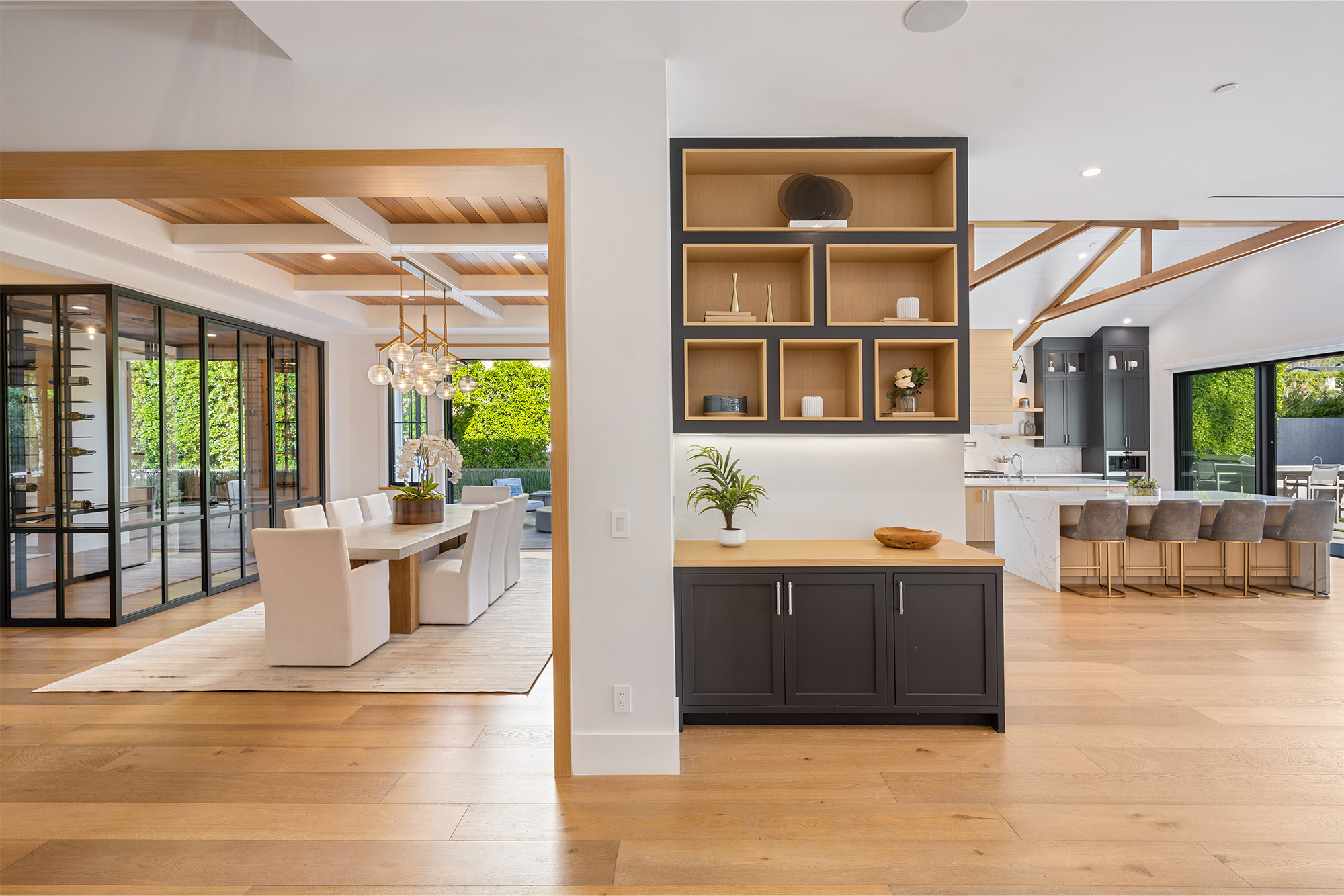
Sellers often assume solid hardwood automatically beats engineered at resale, and the truth is more nuanced than that. Both are real wood, both read as quality to buyers, and both can lift a home's value when chosen well. The right answer depends less on a label and more on where the floor goes, how the home is built, and what buyers in that Wichita neighborhood actually expect to see underfoot.
What Buyers Actually Respond To
Here is the reassuring part for sellers. Most buyers walking a home cannot tell solid from engineered hardwood by looking, and frankly most do not ask. What they respond to is the look and feel of genuine wood, warm tone, real grain, and a floor that flows through the main living space. Both solid and engineered deliver that impression convincingly.
Because the visual payoff is so similar, the resale conversation shifts from which is better in the abstract to which is better for this specific house. That is a far more useful question, and it usually has a clear answer once the home's construction and the room in question are on the table. The value comes from matching the product to the setting, not from chasing a category.
Where Each One Wins
Solid hardwood shines in classic main level rooms over wood subfloors, especially in traditional and established Wichita neighborhoods where buyers expect it. Its headline advantage is longevity, since a thick solid board can be sanded and refinished many times across generations, which appeals to buyers thinking long term about a forever home.
Engineered hardwood wins wherever stability matters most. Over concrete slabs, in basements, in newer suburban builds, and in homes that feel Wichita's humidity swings, its layered core resists the cupping and gapping that can trouble solid wood. For those settings, a quality engineered floor with a thick wear layer is not a compromise, it is the more appropriate choice, and buyers benefit from a floor that stays flat and sound.
Choosing the One That Adds the Most Value
The floor that adds the most resale value is the one that fits the home so naturally that a buyer never thinks twice about it. In a century old home near College Hill, solid oak may be exactly what buyers want. In a new build out in the suburbs on a slab, engineered is often the smarter and equally valued answer. Neither is universally superior, and that is good news for sellers.
What consistently loses value is the wrong material in the wrong place, solid wood fighting a damp slab, or a bargain engineered floor with a veneer too thin to ever refresh. Choosing quality in either category and placing it where it belongs is what turns a flooring project into a resale gain. A quick local walkthrough makes that call easy.
At Designers Home Gallery, our team helps Wichita homeowners choose between solid and engineered hardwood based on the home, the room, and the neighborhood, so the floor adds real value. We are located at 530 North Hydraulic Street, Wichita, KS 67214, and proudly serve Wichita, Derby, Andover, Maize, and Eastborough. Compare solid and engineered hardwood flooring side by side at Wichita, KS, and when you are weighing resale value, contact us for guidance tailored to your home.