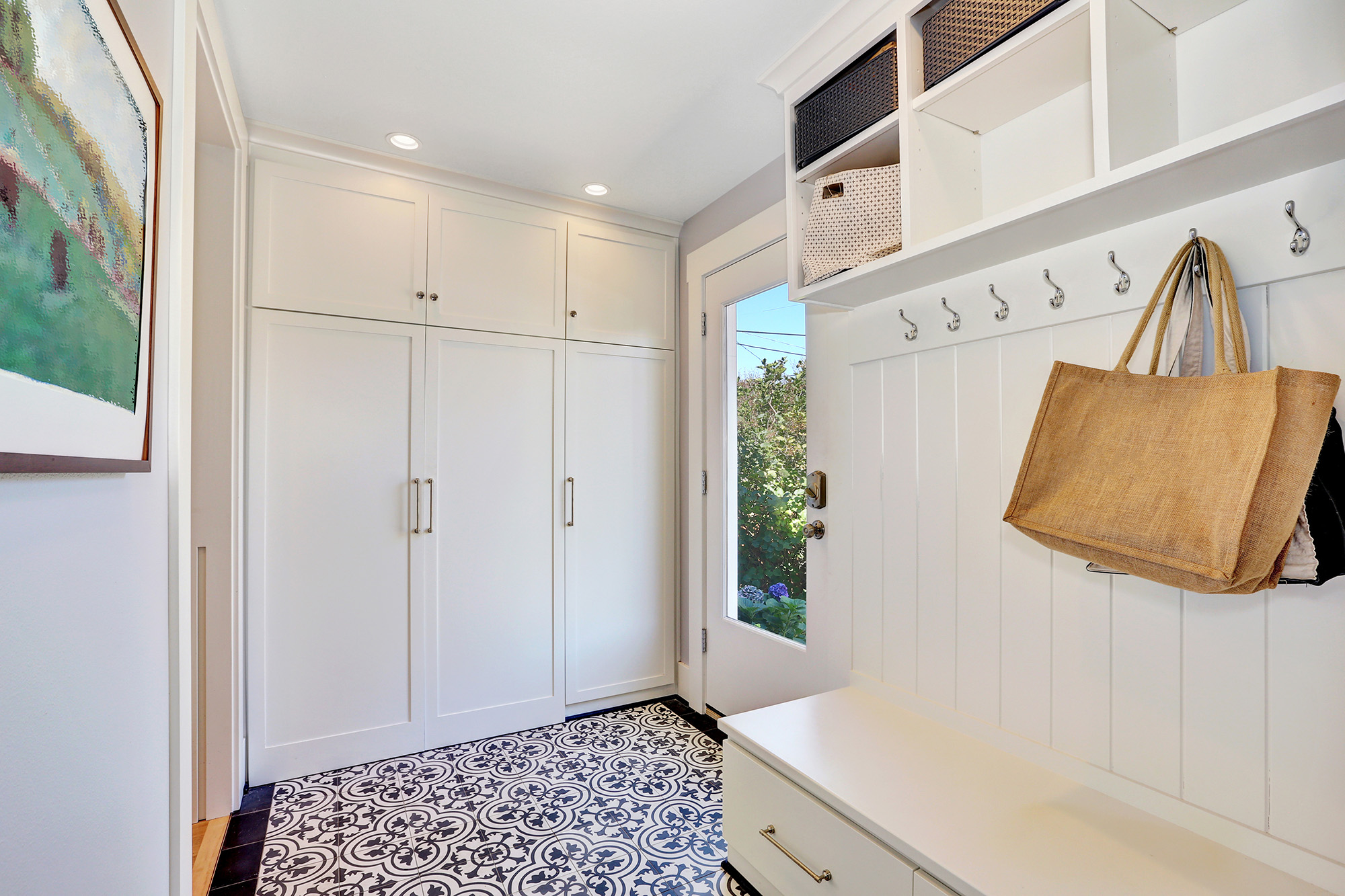
Walk into any tile showroom and you’ll hear the same debate whispered between homeowners: “Matte is safer… polished looks better.” The truth is far more technical—and far more important—than most people realize. At Designers Home Gallery, we see homeowners make tile decisions every day that impact comfort, safety, cleaning routines, and long-term satisfaction. If you’re designing a bathroom, kitchen, entryway, or laundry room, understanding slip resistance is not optional—it’s essential.
If you want to see and feel the difference in person, visit us at Wichita, KS and speak with one of our designers before committing to a finish that may not match your lifestyle.
What Slip Resistance Actually Means (Not What Marketing Says)
Slip resistance is measured using Coefficient of Friction (COF) testing. For residential interiors, the industry standard recommends a minimum Dynamic COF (DCOF) of 0.42 for areas exposed to moisture. This number—not the word “matte” or “polished”—is what determines real safety.
Polished tiles can meet or exceed slip standards, and some matte tiles fail them. Texture, glaze composition, micro-abrasion, and tile porosity all matter more than sheen alone.
Matte Tile: Where It Excels—and Where It Fails
Matte tile finishes diffuse light, hide water spots, and create a grounded, modern look. They are often chosen for bathrooms, mudrooms, and kitchens because they appear safer.
Pros:
Better grip when wet (generally)
Conceals dust, water marks, and footprints
Ideal for modern and organic interiors
Cons:
Can stain more easily if unsealed porcelain or natural stone
Grout lines may darken faster
Some matte tiles still fall below recommended DCOF levels
Matte does not mean maintenance-free. In high-traffic Kansas homes, soil buildup can actually make matte surfaces slick over time if not properly cleaned.
Polished Tile: The Misunderstood Finish
Polished tile has been unfairly labeled as “dangerous,” but modern manufacturing has changed that narrative. Many polished porcelain tiles now include micro-texturing invisible to the eye but effective underfoot.
Pros:
Reflects light, making small spaces feel larger
Easier to clean and sanitize
Stain-resistant surface
Cons:
Shows water spots and footprints
Requires intentional placement
Can be slippery if incorrect product is chosen
Polished tile works beautifully in powder baths, accent walls, low-moisture kitchens, and formal spaces—when selected properly.
The Real Risk Factor: Location, Not Finish
Slip accidents don’t happen because a tile is polished—they happen because the tile was placed in the wrong environment. Shower floors, pool surrounds, and sloped wet areas require higher traction tiles, often with smaller formats to increase grout grip.
At Designers Home Gallery, we specify tile finishes based on use-case analysis, not trends.
Designer Tip: Ask for These Specs
Before purchasing tile, ask for:
DCOF rating
PEI wear rating
Water absorption percentage
Recommended installation locations
If a showroom can’t provide those numbers, walk away.
The safest tile isn’t matte or polished—it’s properly specified. Choosing the right finish means balancing traction, maintenance, aesthetics, and how you actually live. Our design team helps homeowners across Wichita, Derby, Andover, Maize, and Eastborough make flooring decisions that age well, perform safely, and look intentional.
Visit or contact Designers Home Gallery today to explore tile options that match your home—not just the trend cycle.