It is one of the most common hardwood questions in the showroom, and the honest answer surprises people. Engineered hardwood can absolutely be refinished, but not endlessly, and the exact number comes down to a single spec that most shoppers never ask about. Understanding that spec before buying is the difference between a floor that serves one owner and a floor that looks great through two or three refreshes across its life.
The Wear Layer Is the Whole Answer
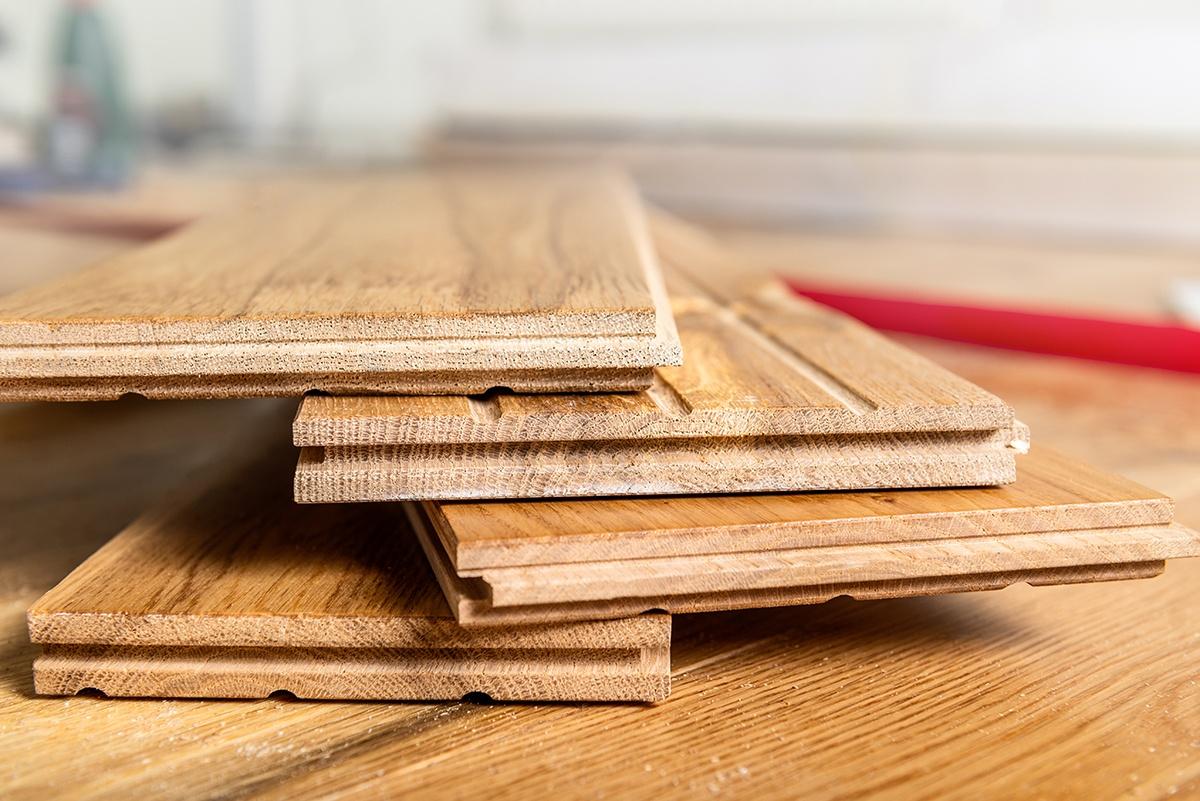
Engineered hardwood is a real wood veneer bonded over a stable plywood or fiberboard core. That top veneer is called the wear layer, and it is the only part that can be sanded during a refinish. The thicker that layer, the more times the floor can be sanded back to fresh wood, which is why two engineered floors that look identical can have completely different lifespans.
A thin wear layer around one millimeter usually allows a light refresh at best, sometimes none at all, while a thicker wear layer of three millimeters or more can typically handle two or three full refinishes. A quality engineered floor with a generous wear layer can last decades and be brought back to new looking condition more than once, which is exactly the kind of value worth paying for up front.
What Actually Wears a Floor Out
Refinishing is not the only thing that ends a floor's life, and often it is not even the main one. Deep gouges that reach past the wear layer, water damage that delaminates the core, and worn spots sanded too aggressively in the past all shorten how many refreshes remain. A floor is only a candidate for refinishing while the veneer above the core is still thick enough to sand safely.
This is where honest guidance matters more than a sales pitch. If an existing engineered floor has a paper thin veneer or water swollen seams, another sanding will do more harm than good, and replacement becomes the smarter investment. Knowing which situation you are in saves money either way, and it is a call worth having a professional make before anyone runs a sander.
Buying for the Long Game
The takeaway for anyone shopping now is simple. Ask about the wear layer thickness before you fall for a finish, because that number quietly determines how long the floor lives and how many times it can be renewed. A slightly higher upfront cost for a thicker wear layer often pays for itself by delaying full replacement by years.
For families who want the stability of engineered construction with the longevity of real wood, the sweet spot is a thicker veneer paired with a durable factory finish. That combination handles Wichita's humidity swings, takes daily family traffic, and still leaves room to sand back to fresh wood down the road, which is everything you want from a floor meant to last.
When Engineered Is the Right Call
Engineered hardwood earns its place in plenty of Wichita homes, especially over concrete slabs, in basements, and anywhere the seasonal moisture swing would stress solid wood. Choosing a strong wear layer means giving up very little in longevity while gaining real stability, and that is a genuinely good trade for the right space.
The floors that disappoint are almost always the bargain ones with a veneer too thin to ever refresh. The floors that delight are the ones chosen with the wear layer in mind from day one. Buy that spec correctly and engineered hardwood rewards you for a very long time.
At Designers Home Gallery, our team helps Wichita homeowners read wear layer specs and pick engineered floors built to be refreshed for years, not tossed early. We are located at 530 North Hydraulic Street, Wichita, KS 67214, and proudly serve Wichita, Derby, Andover, Maize, and Eastborough. See the difference between thin and thick wear layer engineered hardwood up close at Wichita, KS, and when you want honest advice on what will last, contact us and we will walk you through every option.